When it comes to printing technology, UV printers have gained significant popularity in recent years. These printers offer exceptional versatility and high-quality prints on various materials. In this article, we will delve into the world of UV printers, exploring their features, applications, and the best options available in the market.
I. Understanding UV Printing Technology
A. Explanation of UV printing and its benefits
B. Comparison with traditional printing methods
C. How UV printers work and the role of UV-curable inks
II. Key Features of the Best UV Printers
A. Print quality and resolution
B. Print speed and production efficiency
C. Versatility in material compatibility
D. Advanced color management and ink control
E. Precision and accuracy in print registration
F. User-friendly interface and software integration
III. Applications of UV Printers
A. Signage and advertising industry
B. Packaging and labeling solutions
C. Home decor and personalized items
D. Industrial and commercial printing
E. Promotional products and merchandise
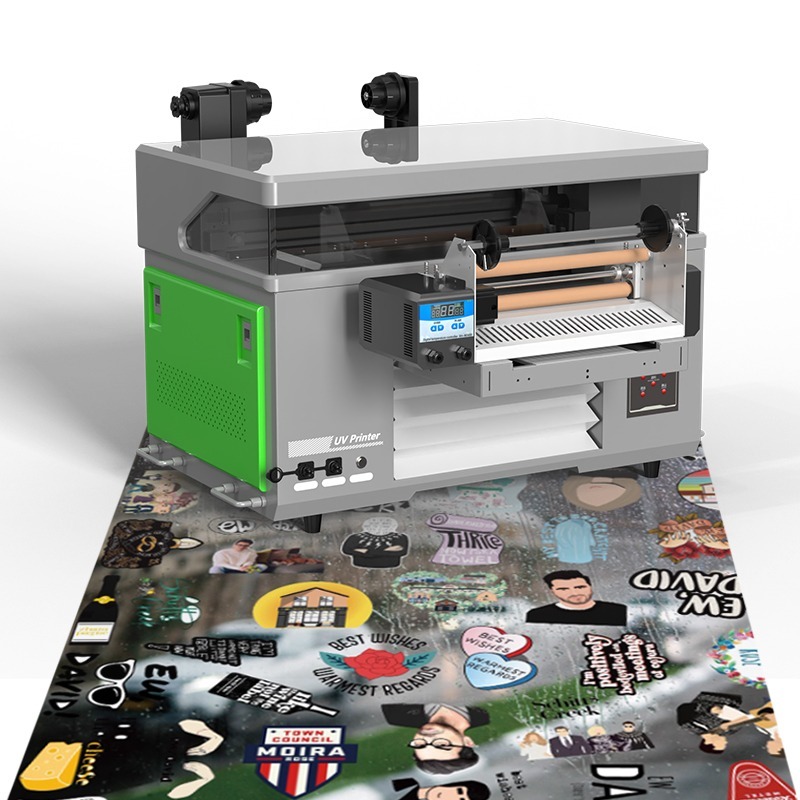 uv printer" class="wp-image-4645"/>
IV. Top 5 Best UV Printers in the Market
A. HP Scitex FB750
characteristic:
a)The high-definition print head achieves a printing speed of 12.5 square meters per square meter.
b)Can handle a variety of materials, including rigid and flexible materials.
c)Features efficient automation features to maximize production efficiency.
advantage:
a)The print quality and color reproduction capabilities are strong.
b)The printing speed is fast and suitable for mass production.
c)Automated features increase productivity.
shortcoming:
a)The price is relatively high.
b)For certain materials, a coating may be required to ensure adhesion and color durability.
B. Jiangsu Blu-ray AD-2030UV
characteristic:
a) The printing range is 2000mm×3000mm, adapting to the printing needs of various flat materials.
b) In the highest quality mode, the printing speed is 6 square meters/hour; in the normal quality mode, the printing speed is 16 square meters/hour; in the fast mode, the printing speed is 25 square meters/hour.
c) Print quality reaches 1440dpi resolution.
advantage:
a) Wide printing range, suitable for various flat materials.
b) The printing speed is fast and can meet different production needs.
c) High-resolution printing with bright colors and clear details.
shortcoming:
a) For some specific materials, it may be necessary to use a coating to ensure adhesion and color durability.
b) The price is relatively high.
C.Ricoh flatbed printer
characteristic:
a) The price is higher.
b) It has not been on the market for a long time, but it has high definition and stable printing effects.
c) Use advanced automation technology to improve production efficiency.
advantage:
a) High-definition and stable printing effects, suitable for the needs of high-quality prints.
b) Automation technology improves production efficiency.
c) It has not been on the market for a long time, but it has the advantages of stability and production efficiency.
shortcoming:
a) The price is higher and may be beyond the budget of some users.
b) For some specific materials, it may be necessary to use a coating to ensure adhesion and color durability.
V. Factors to Consider When Choosing the Best UV Printer
A. Budget and cost-effectiveness
B. Print volume and production requirements
C. Material compatibility and versatility
D. Print quality and resolution
E. After-sales support and warranty
F. User reviews and feedback
UV printers have revolutionized the printing industry with their ability to deliver high-quality prints on a wide range of materials. The best UV printers offer advanced features, exceptional versatility, and outstanding print quality. By understanding the technology, features, and applications of UV printers, individuals and businesses can make an informed decision when choosing the right printer for their specific needs.